12 June 2026
Ever turn
the key on a freezing Edinboro morning and wonder why your Chevrolet suddenly
sounds less enthusiastic about starting than you are about leaving a warm bed?
One day,
everything seems normal. Next, the engine cranks a little slower, the
headlights look slightly dimmer, or the dashboard decides it's time to
illuminate a warning light. Battery problems often feel like they appear out of
nowhere, but in reality, most batteries provide subtle warning signs long
before they fail.
For many
drivers in Edinboro and the surrounding Northwestern Pennsylvania communities,
a dependable vehicle isn't optional. Whether you're commuting to Erie for work,
navigating local roads around town, heading out on I-79, or tackling daily
family responsibilities, your Chevrolet needs to start when you need it to.
That's especially true during Pennsylvania's cold winters and fluctuating
seasonal temperatures, which can place additional strain on vehicle batteries.

At Rick
Weaver Chevrolet, battery-related concerns are among the common Chevy
maintenance issues drivers face throughout the year. Understanding how it works and
recognizing early signs of trouble can help you avoid inconvenient surprises.
In this
guide, we'll cover why battery maintenance matters, warning signs to watch for,
factors that affect life, practical maintenance tips, and when it may be time
for professional Chevrolet battery service.
Your Chevrolet Battery Does More Than Start
the Engine
Many drivers
think of the battery as the component responsible for starting the vehicle.
While that's certainly one of its most important jobs, the battery supports
much more than the initial engine startup.
Modern
Chevrolet vehicles rely on numerous electrical systems that work together to
enhance safety, convenience, and performance. Features such as infotainment
systems, power accessories, vehicle sensors, interior lighting, and advanced
driver-assistance technologies all depend on a healthy electrical system. When
you start your Chevrolet, the battery provides the power necessary to get the
engine running. Once the engine is operating, the charging system helps
maintain charge and powers the vehicle's electrical components. Whether you're
driving through downtown Edinboro, heading toward Erie, or making weekend trips
across Pennsylvania, consistent battery performance helps ensure these systems
function as intended.
Because the
battery plays such an important role, even small declines in performance can
become noticeable during everyday driving.
What Are the Signs Your Chevrolet Battery May
Need Attention?
Battery
problems rarely begin with a complete failure. More often, drivers notice
gradual changes in vehicle performance.
Some common
warning signs include:
·
Slow Engine Cranking: If the engine takes longer than usual to start, the battery may be
struggling to deliver sufficient power.
·
Dim Headlights or Interior Lights: A weakening battery can affect
electrical output, resulting in lights that appear less bright than normal.
·
Dashboard Warning Lights: Many Chevrolet models can alert drivers to potential
battery or charging-system concerns through dashboard indicators.
·
Electrical Accessories Acting Unusually: Power windows, infotainment systems, or
other electrical features may respond more slowly if battery performance begins
to decline.
·
Frequent Jump Starts: Needing repeated jump starts is often a sign that the battery requires
testing or replacement.
These
symptoms can become especially noticeable during cold Pennsylvania mornings,
when batteries must work harder to start the engine. Of course, batteries don't
weaken without a reason. Several factors can influence how long a Chevrolet
battery lasts.
What Affects the Lifespan of a Chevrolet
Battery?
Most vehicle
batteries typically last between three and five years. However, several factors
can shorten or extend that lifespan.
·
Pennsylvania Weather: Cold temperatures can reduce a battery's ability to deliver power,
making winter starts more challenging. At the same time, summer heat can
accelerate internal wear over time.
·
Driving Habits: Frequent short
trips may prevent the battery from reaching a full charge. Vehicles driven primarily for quick
errands often experience more battery-related issues than those driven
regularly for longer distances.
·
Extended Periods of Inactivity: Vehicles that sit unused for long
periods can gradually lose battery charge. This can be particularly relevant
for seasonal vehicles or for drivers who occasionally leave a vehicle parked
for weeks at a time.
·
Battery Age: Like most vehicle components, batteries naturally wear down as they
age. Even a well-maintained battery will eventually reach the end of its useful
service life.
While some
battery aging is unavoidable, a few simple maintenance habits can help maximize
performance.
Simple Chevrolet Battery Maintenance Tips
Every Driver Should Know
Maintenance
doesn't need to be complicated. Small preventive measures can help reduce the
risk of unexpected problems.
1. Check for Corrosion
Battery
terminals should remain clean and free from excessive corrosion. Buildup around
the terminals can interfere with electrical connections and reduce performance.
If corrosion is left unaddressed, it may contribute to starting issues and
reduced performance over time.
2. Ensure Connections Remain Secure
Loose
connections can create starting issues and inconsistent electrical operation.
Even a healthy battery may struggle to perform properly if power cannot flow
efficiently through the connections.
3. Schedule Routine Testing
Regular
battery testing can help identify declining performance before a failure
occurs. Professional testing provides a clearer picture of overall health.
4. Avoid Long Periods Without Driving
If possible,
drive the vehicle regularly to help maintain charge levels. Consistent use
helps keep the battery charged and allows the charging system to function as
intended.
5. Pay Attention to Early Warning Signs
Addressing
slow starts, dim lighting, or electrical irregularities early may help prevent
more significant issues later.
Inspections
are often performed alongside routine maintenance visits and other services,
including Chevrolet tire service and general vehicle inspections. Even with
proper maintenance, every battery eventually reaches a point where replacement
becomes necessary.
However,
knowing when replacement is necessary can help prevent unexpected starting
issues before they disrupt your plans.
When Is It Time for Battery Service?
If your
battery is approaching the three-to-five-year range, it may be worth scheduling
an inspection even if obvious symptoms haven't appeared yet.
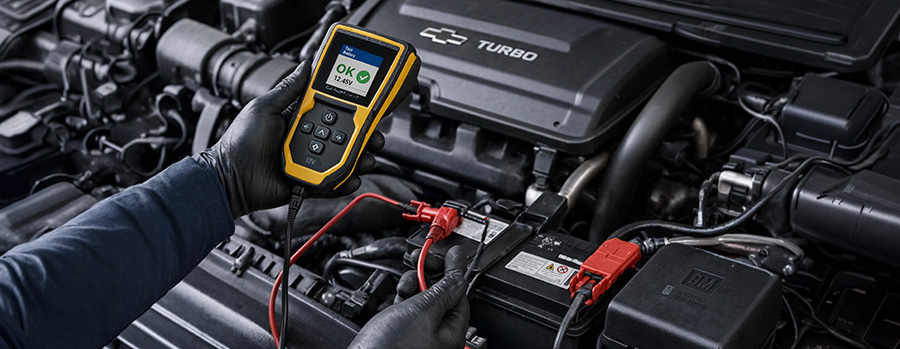
Service may
be recommended when:
·
The battery repeatedly struggles to start the vehicle
·
The battery fails a professional load test
·
Electrical issues become increasingly common
·
Visible corrosion affects connections
·
The battery is nearing the end of its expected lifespan
At Rick
Weaver Chevrolet, technicians can evaluate health, inspect charging-system
performance, and determine whether a Chevy battery
replacement or additional diagnosis may be needed. Professional inspections can
also help identify related issues before they affect overall vehicle
reliability.
Taking
action before a battery fails can help reduce inconvenience and unexpected
downtime.
Final Thoughts: Reliable Starts Begin
With Care
Your
Chevrolet battery does far more than start the engine. It supports critical
electrical systems, contributes to everyday convenience, and helps keep your
vehicle operating reliably throughout the year.
By
recognizing early warning signs, understanding factors that affect lifespan,
and following basic maintenance practices, drivers can often reduce the
likelihood of unexpected battery-related problems. Whether you're commuting
through Edinboro, making regular trips to Erie, or preparing for another
Pennsylvania winter, reliability plays an important role in keeping your ride
ready for the road ahead. If your vehicle has been slow to start, your battery
is several years old, or you'd simply like added confidence before the next
season arrives, get a professional service. Professional Chevrolet battery
service can include testing, charging system evaluation, terminal and
connection inspections, and replacement when needed, helping ensure your
vehicle remains ready for whatever the road has in store.
Don’t wait
for surprises, swing by Rick Weaver Chevrolet today.
