
6 Signs Your Chevrolet Brake System Needs Immediate Attention
Ever Turned Down Your Radio Just to Figure Out What That Brake Noise Was?
Most brake
problems don't arrive with a dramatic warning. They start small with a squeal
at a stop sign, a slight vibration while slowing down, or a brake pedal that
suddenly feels a little different than usual. Easy to dismiss. Easy to
postpone. Until one day, they aren't.
If you drive
a Chevrolet around Edinboro, Erie, or the surrounding communities, your vehicle
likely handles a little bit of everything from daily commutes and school
drop-offs to weekend projects and Pennsylvania winters. When you depend on your
vehicle that much, dependable braking isn't something you want to gamble with.
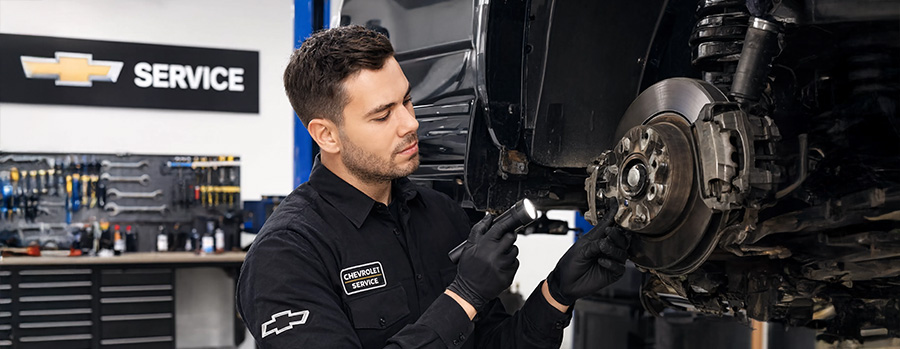
At Rick
Weaver Chevrolet, we often see brake issues that started as minor symptoms but
became larger repairs simply because the early warning signs were ignored. The
good news? brake system usually tells you when something isn't right.
In this
guide, we'll cover the most common warning signs to watch for, what they could
mean, and when it's time to schedule Chevrolet brake service before a small concern turns into a
bigger repair.
Your Chevrolet Brake System Usually Gives You
a Warning First
Brake
problems rarely appear out of nowhere.
In most
cases, your Chevrolet brake system will show signs of trouble long before
braking performance is seriously affected. The key is knowing which symptoms
deserve attention and when it's time to schedule service.
Here are the
most common six warning signs to watch for.
1. Your Brakes Are Squealing or
Grinding
One of the
earliest warning signs of brake trouble is an unusual noise when you slow down
or come to a stop.
Squealing or Chirping Sounds
A
high-pitched squeal often indicates that your brake pads are wearing down. Many
brake pads are designed with built-in wear indicators that create this noise
when it's time for replacement.
Grinding Sounds
If the noise
sounds more like metal scraping against metal, the brake pad material may
already be worn away. This can allow metal components to contact the rotors
directly, potentially causing more extensive damage.
If your
brakes are making noise every time you stop, don't ignore it. Not all brake
problems can be heard. Some are felt the moment you press the pedal.
2. Your Brake Pedal Feels Soft, Spongy,
or Unresponsive
Your brake
pedal should feel firm and predictable. If it suddenly feels softer than usual,
requires more pressure, or seems slow to respond, there may be an issue within
the hydraulic braking system.
A soft brake
pedal can sometimes indicate air in the brake lines, while a pedal that slowly
sinks toward the floor may point to a brake fluid leak or another hydraulic
concern. This is one reason why regular brake fluid maintenance is important.
Brake fluid plays a critical role in transferring force throughout the braking
system.
If your
brake pedal feels different from normal, it's worth having it inspected.
Sometimes the warning sign isn't in the pedal, it's in the steering wheel.
3. Your Steering Wheel Shakes When You
Brake
If your
steering wheel vibrates every time you slow down, uneven rotor wear may be the
cause. Brake rotors experience significant heat and friction. Over time, they
can develop uneven surfaces that create vibrations during braking.
Many drivers
first notice this symptom when slowing down from highway speeds or exiting
Interstate 90 after a longer drive. A vibrating steering wheel isn't just
annoying; it often signals brake system wear that needs attention.
Another
common warning sign appears when your vehicle stops tracking straight.
4. Your Vehicle Pulls to One Side While
Braking
Your vehicle
should brake in a straight line. If it drifts left or right when you apply the
brakes, there may be an imbalance within the braking system.
Common
causes include:
·
Uneven brake pad wear
·
A sticking brake caliper
·
Hydraulic pressure issues
This symptom
can become even more noticeable on wet, snowy, or icy roads around Edinboro and
Erie. If your vehicle feels like it's choosing its own direction when you
brake, schedule an inspection.
Sometimes
your vehicle doesn't just show a symptom but tells you directly.
5. A Brake Warning Light Appears on the
Dashboard
Modern
Chevrolet vehicles are designed to monitor braking performance and alert
drivers when something needs attention. A brake warning light may indicate low
brake fluid or another issue within the braking system.
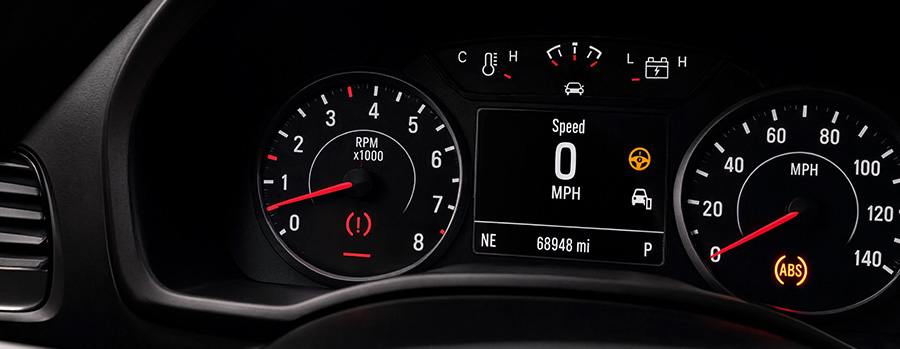
An ABS
warning light can signal a problem with the Anti-Lock Braking System, which
helps maintain steering control during hard braking situations. Warning lights
shouldn't be ignored, even if your vehicle seems to be driving normally.
One final
warning sign often gets overlooked because drivers mistake it for something
else.
6. You Notice a Burning Smell After
Driving
A strong
burning odor can sometimes indicate overheated brakes. Repeated hard stops,
stop-and-go traffic, or prolonged braking can generate excessive heat and
reduce braking effectiveness.
If the smell
persists or occurs regularly, it's a good idea to have the system inspected.
Your brakes shouldn't smell like they're working overtime.
The Maintenance Most Drivers Put Off Too Long
Most drivers
stay on top of oil changes. Brake service often gets pushed down the priority
list until something feels wrong. The problem is that waiting for symptoms can
sometimes turn a simple repair into a larger one. Routine Chevrolet
maintenance helps identify wear before it affects performance.
Maintenance
schedule may include:
·
Brake inspections
·
Brake pad replacement
·
Rotor evaluations
·
Brake fluid checks
·
Hydraulic system inspections
When people
search for "brake maintenance near me," they're often already
experiencing a problem. Regular inspections can help you stay ahead of those
issues instead.
What Is Brake Maintenance Mode?
If your
vehicle is equipped with an Electronic Parking Brake (EPB), certain procedures
may require activating what's known as brake maintenance mode. This mode allows
technicians to safely service rear brake components by electronically
retracting the parking brake system.
Because
modern braking systems are increasingly complex, professional service helps
ensure repairs are completed correctly without damaging electronic components.
Final Thoughts: Stay Ahead with Timely
Service
Your
Chevrolet brake system is designed to give you warning signs before a small
issue becomes a bigger repair. The key is not ignoring them. Whether it’s a
squeal during a stop in Edinboro, a vibration on your drive along I-90, or a
warning light on your way through Erie, these signals are your vehicle’s way of
asking for attention.
Addressing
concerns early usually means simpler repairs, better safety, and fewer
surprises down the road. That’s where experience makes a difference. At Rick
Weaver Chevrolet, factory-trained technicians use Chevrolet-specific diagnostic
tools and proper service procedures to understand your ride's needs. Whether
it’s routine brake maintenance, brake fluid service, or a more detailed brake
repair. If your vehicle has started showing any of the warning signs covered in
this guide, getting it inspected sooner rather than later is the most practical
step.
Swing by Rick
Weaver Chevrolet and let our team help keep your ride stopping smoothly and
reliably on every drive.