
6 Essential Maintenance Tips to Help Your Chevrolet Tires Last Longer
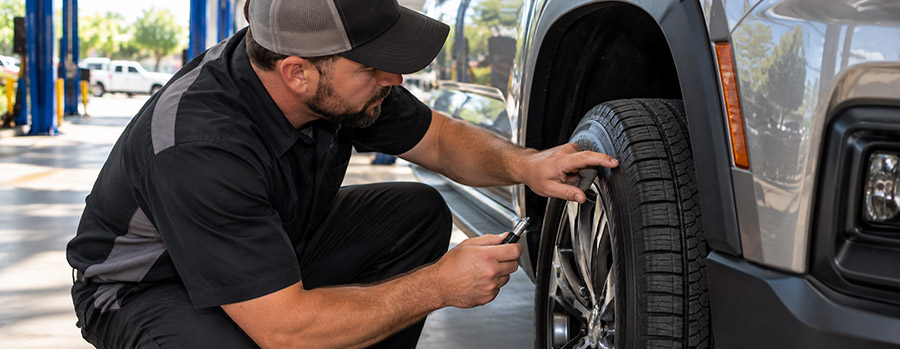
Your Chevrolet's tires do more than keep your vehicle moving. They provide traction for braking, support vehicle weight, and help maintain stability while turning. Whether you're commuting through Edinboro, heading toward Erie, or traveling along Route 6N, well-maintained tires contribute to a safer, more comfortable driving experience.
Over
time, tire tread wears down naturally. Incorrect inflation, aggressive driving,
neglected maintenance, and alignment problems can accelerate wear and lead to
premature replacement. Northwestern Pennsylvania's changing temperatures, wet
roads, snow, and potholes can add further challenges.
Fortunately,
routine maintenance can help extend tire life and preserve performance. Here
are six practical ways to help your Chevrolet's tires last longer.
1. Maintain the Correct Tire Pressure
Proper
inflation helps your tires maintain the intended contact with the road.
Underinflated tires can wear excessively along their outer edges, while
overinflated tires may experience greater wear in the center of the tread. Both
conditions can affect handling, braking, and fuel economy.
Temperature
changes also influence tire pressure. During colder Pennsylvania months,
pressure generally decreases, making regular checks particularly important.
Follow
these tire-pressure habits:
·
Check pressure at least monthly and before longer trips.
·
Measure pressure when tires are cold for an accurate reading.
·
Follow the recommended PSI on your Chevrolet's driver's door-jamb label
or in the owner's manual.
·
Recheck pressure when seasonal temperatures change.
The
maximum pressure printed on a tire's sidewall is not necessarily the correct
operating pressure for your vehicle. Always follow Chevrolet's recommendations.
2. Rotate Your Tires Regularly
Tires
wear at different rates depending on their position, drivetrain, steering
forces, and vehicle weight distribution. Regular tire rotations help distribute
wear more evenly, allowing the set to maintain more consistent tread depth.
Many
vehicles benefit from rotations approximately every 5,000–7,500 miles, although
the correct interval depends on your Chevrolet model and tire configuration.
Consult your owner's manual for the recommended schedule.
Routine
rotations can help reduce uneven wear, preserve traction, and maximize usable
tire life. They also provide an opportunity to identify developing tire
concerns.
Not
every tire setup follows the same rotation pattern. Directional tires and
vehicles with different front and rear tire sizes may require specific
procedures.
You can
often combine a tire rotation with an oil change or another scheduled
maintenance visit at Rick Weaver Chevrolet, making routine care easier to
manage.
3. Address Wheel Alignment Problems Early
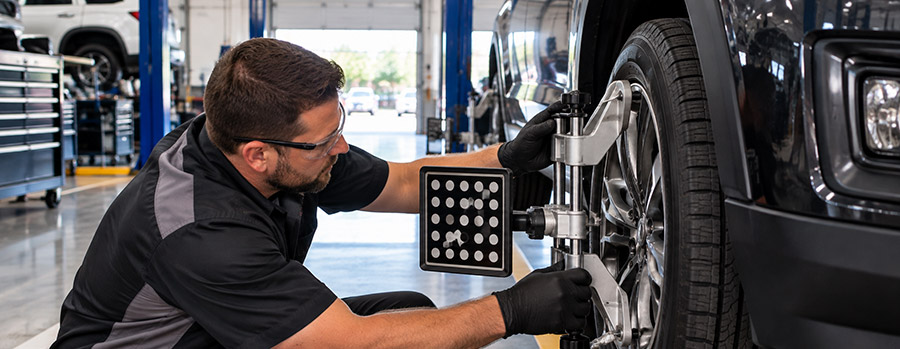
Wheel
alignment ensures your vehicle's wheels are positioned according to
manufacturer specifications. When alignment angles are incorrect, tires may
scrub against the road instead of rolling as intended, accelerating tread wear.
Potholes,
curb impacts, and worn steering or suspension components can contribute to
alignment problems. With uneven pavement and seasonal road damage around
Edinboro and Erie County, it's worth paying attention to changes in your
vehicle's handling.
Watch
for these warning signs:
·
Your Chevrolet consistently pulls to one side.
·
The steering wheel sits off-center while driving straight.
·
One edge of a tire wears faster than the other.
·
Handling changes after hitting a significant pothole.
An
alignment inspection can determine whether adjustments are necessary. Correct
alignment helps reduce unnecessary tire wear and supports predictable handling.
Alignment
service isn't automatically required at every tire rotation. It should be based
on symptoms, inspection findings, and manufacturer guidance.
4. Investigate Unusual Tire Vibrations
Uneven
weight distribution in a wheel and tire assembly can cause vibrations as the
wheel rotates. Wheel balancing corrects this imbalance using appropriately
positioned weights, helping the assembly rotate more smoothly.
An
imbalance may affect ride comfort and contribute to irregular tire wear. Common
warning signs include:
·
Steering wheel vibration at highway speeds.
·
Vibrations through the seat or vehicle body.
·
New vibrations after tire installation or wheel repairs.
·
Changes in ride smoothness at particular speeds.
Wheel
balancing is commonly performed when installing new tires and may be necessary
if vibrations develop.
However,
vibration doesn't always indicate an imbalance. Damaged wheels, tire defects,
alignment issues, and worn suspension components can produce similar symptoms.
A professional inspection can help identify the actual cause.
5. Adopt Smoother Driving Habits
Your
driving style directly affects how quickly tires wear. Rapid acceleration, hard
braking, aggressive cornering, and repeated curb impacts place additional
stress on tires.
A few
simple adjustments can help reduce unnecessary wear:
·
Accelerate gradually: Avoid excessive throttle when moving away from a stop.
·
Brake smoothly: Maintain a safe following distance to reduce sudden stops.
·
Take turns carefully: Reduce speed before entering corners.
·
Avoid potholes when safe: Slow down carefully when approaching damaged pavement.
·
Park cautiously: Avoid striking or scraping curbs.
·
Observe speed limits: Excessive speed can increase tire heat and stress.
Seasonal
conditions in northwestern Pennsylvania require additional care. Snow, slush,
ice, and wet pavement reduce available traction, making sudden steering and
braking more challenging.
Use
tires suited to your vehicle and driving conditions, and consider appropriate
winter tires when necessary. Remember that careful driving cannot compensate
for worn tread, incorrect inflation, or existing tire damage. Regular
inspections remain essential.
6. Inspect Tire Tread and Sidewalls
Regular
visual inspections help you identify potential tire problems before they become
more serious. Check for the following warning signs:
Uneven
tread wear:Excessive wear along one edge or unusual tread patterns may indicate inflation,
alignment, balancing, or suspension concerns.
Cracked
sidewalls:Cracking can indicate rubber deterioration or aging and should be assessed by a
tire professional.
Bulges
or bubbles: These
may indicate internal structural damage. Avoid driving on a tire with a
significant sidewall bulge and arrange professional assistance.
Embedded
nails or screws: Foreign
objects can cause air loss or internal damage. Have the tire assessed rather
than removing the object yourself.
Low
tread depth: Worn
tread reduces the tire's ability to maintain traction, particularly on wet
roads.
Repeated
pressure loss: A tire
that continually loses air may have a puncture, damaged valve, or sealing
problem that requires inspection.
The
general legal minimum tread depth for passenger-vehicle tires in the United
States is 2/32 of an inch. However, wet-weather performance may decline before
tires reach that limit, so replacement may be appropriate sooner depending on
tire condition and driving needs.
If you
discover exposed internal material or significant tire damage, avoid driving on
the affected tire and arrange professional assistance.
Chevrolet Tire Maintenance Checklist
Use this
checklist alongside your Chevrolet's recommended maintenance schedule.
|
Maintenance task
|
Suggested frequency
|
Main benefit
|
|
Check tire pressure
|
Monthly and before longer
trips
|
Helps prevent
pressure-related wear
|
|
Rotate tires
|
As recommended; often
every 5,000–7,500 miles
|
Encourages even tread
wear
|
|
Check wheel alignment
|
When symptoms or
irregular wear appear
|
Reduces alignment-related
wear
|
|
Check wheel balance
|
When installing tires or
when vibrations develop
|
Promotes smoother
rotation
|
|
Inspect tread and
sidewalls
|
Regularly and during
service visits
|
Helps identify damage
early
|
|
Inspect steering and
suspension
|
According to maintenance
guidance or when symptoms appear
|
Identifies issues
affecting tire wear
|
These
intervals are general guidelines. Your Chevrolet model, tire type, mileage, and
driving conditions may influence the appropriate maintenance schedule.
Extend Your Tire Life at Rick Weaver
Chevrolet in Edinboro, PA
Your
Chevrolet's tires play an important role in traction, braking, and handling.
While tire wear is inevitable, consistent maintenance can help maximize usable
tire life and identify problems before they require more extensive repairs.
Maintaining
correct tire pressure, rotating tires on schedule, addressing alignment
concerns, and inspecting tread condition are practical ways to reduce
unnecessary wear. Smoother driving habits and attention to steering and
suspension issues can also help preserve tire performance.
If you
notice uneven tread wear, repeated pressure loss, or unusual vibrations, a
professional inspection can help identify the underlying cause.
At Rick
Weaver Chevrolet in Edinboro, PA, our service team can help assess your
tire condition and identify maintenance needs. Whether your Chevrolet needs a
tire rotation, an alignment inspection, or further investigation into unusual
wear, following an appropriate maintenance plan can help keep your vehicle
ready for the road.
Schedule your next service at Rick Weaver Chevrolet and take proactive steps toward getting more miles from your tires.