
Camera and Sensor Calibration: Signs Your Driver-Assistance Systems Need Service
Whether you're commuting through Edinboro, traveling along Route 6N, or heading toward Erie on Route 99, your Chevrolet's driver-assistance technology can provide helpful support on the road. Depending on your vehicle's model and equipment, these systems can help monitor surrounding traffic, alert you to potential collisions, and assist with lane positioning.
These
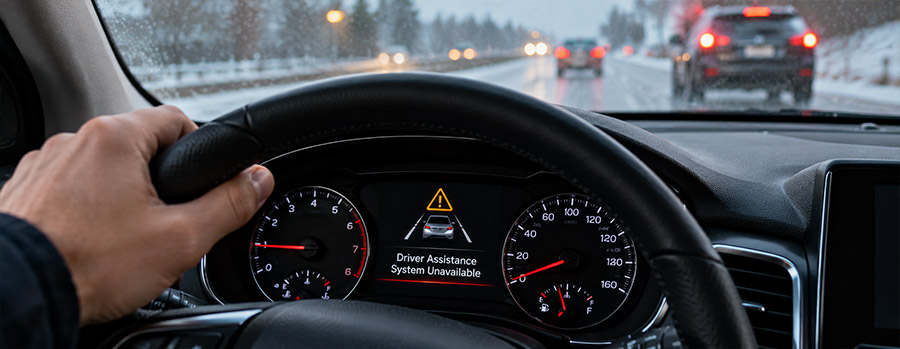
features rely on cameras, radar sensors, and electronic components that work
together to interpret road conditions. When a sensor becomes misaligned, a
camera is disturbed during a repair, or a warning appears on your dashboard,
your vehicle may need a closer inspection.
At Rick
Weaver Chevrolet in Edinboro, PA, we understand the importance of maintaining
your vehicle's safety technology. If a driver-assistance feature stops working
or behaves unexpectedly, professional diagnostics can help determine whether
your Chevrolet needs calibration, repairs, or another type of service.
What Are Advanced Driver-Assistance Systems
in Chevrolet Vehicles?
Advanced
Driver Assistance Systems, or ADAS, use cameras, radar, and other technology to
help drivers identify potential hazards and respond to changing traffic
conditions.
Depending
on the Chevrolet model, year, and installed equipment, these features may
include:
·
Forward Collision Alert: Warns drivers about potential front-end collisions.
·
Automatic Emergency Braking: Can apply braking in certain situations to
help avoid or reduce the severity of a collision.
·
Lane Keep Assist with Lane Departure Warning: Provides steering assistance
and alerts when the vehicle unintentionally drifts from its lane.
·
Adaptive Cruise Control: Helps maintain a selected following distance from traffic ahead when
equipped.
·
Side Blind Zone Alert: Warns drivers about vehicles detected in adjacent blind zones.
·
Rear Cross Traffic Alert: Helps detect approaching traffic when reversing.
·
HD Surround Vision: Available on select models to provide camera views around the vehicle.
Available
features and their operation vary by vehicle. These systems are designed to
assist drivers, not replace attention or safe driving practices.
Because
ADAS technology depends on accurate information, a blocked camera, damaged
sensor, or alignment issue can affect performance. Chevrolet ADAS servicehelps identify the cause instead of simply clearing a warning message.
When Does Your Chevrolet Need Camera or
Sensor Calibration?
ADAS
calibration does not follow a standard mileage schedule like an oil change.
Instead, it may be required after specific repairs or component replacements
that affect the position or operation of a camera or sensor.
After
Windshield Replacement
Many
Chevrolet vehicles have a forward-facing camera mounted near the windshield.
Depending on the model, this camera may support lane assistance, collision
alerts, and other driver-assistance functions.
Replacing
the windshield can affect the camera's position or field of view. Some vehicles
require camera calibration after glass replacement to ensure the system meets
manufacturer specifications.
If your
Chevrolet has recently received a new windshield, confirm whether the required
calibration procedure was completed.
After a
Collision or Bumper Repair
Cameras
and radar sensors may be positioned behind the grille, within bumper
assemblies, or in other areas around the vehicle. Even a low-speed collision
can affect a sensor or its mounting bracket without leaving significant visible
damage.
Depending
on the impact and repair, your Chevrolet may need diagnostic testing, sensor
alignment, calibration, or component replacement.
After
Suspension or Wheel Alignment Work
Changes
to suspension geometry or wheel alignment can affect how certain
driver-assistance systems interpret the vehicle's position and direction of
travel.
Depending
on the Chevrolet model and the work performed, calibration or system
verification may be necessary. Repairs involving mirrors, grilles, bumpers, and
other sensor mounting areas may also require additional checks.
The
manufacturer's service procedures determine which steps are necessary for your
vehicle.
Warning Signs Your Chevrolet's ADAS May Need
Attention
Dashboard
messages and changes in system behavior can indicate that a driver-assistance
feature needs inspection.
Watch
for these common signs:
1.
Driver-assistance warning
messages: Your
dashboard indicates that a collision-warning, lane-assistance, or other safety
feature is unavailable or requires attention.
2.
Safety features stop working: A feature that normally
operates becomes disabled or unavailable.
3.
Unexpected alerts: Collision warnings or
lane-assistance functions behave differently than expected.
4.
Recent windshield
replacement: Your
windshield-mounted camera may require calibration following glass replacement.
5.
Recent collision damage: An impact or bumper repair
may have affected a sensor or its mounting point.
6.
Blocked or damaged
components: Dirt,
snow, ice, or physical damage may interfere with camera or sensor operation.
Not
every warning indicates a calibration issue. Poor visibility, obstructions,
wiring concerns, and faulty components can also affect these systems.
Professional diagnostics help identify the actual cause.
What Is Chevrolet Camera Calibration?
Chevrolet
camera calibration involves aligning or verifying a vehicle's camera system according to
the manufacturer's specifications.
The
procedure depends on the vehicle and the system involved. Technicians may use
specialized targets, measuring equipment, and diagnostic tools. Some
applications require calibration while the vehicle is stationary, others
require driving under specified conditions, and some may require both.
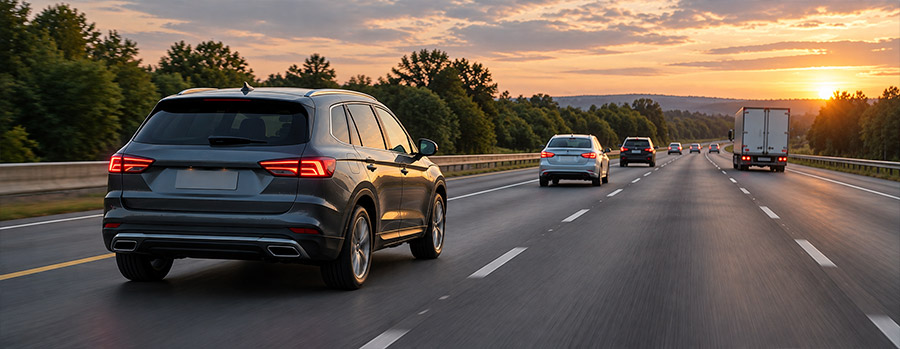
Correct
camera positioning helps the vehicle interpret visual information, including
lane markings and surrounding traffic, as intended.
Calibration
is not simply adjusting a camera by eye. It requires following the appropriate
technical procedure to ensure the system meets its required operating
parameters.
What Is Chevrolet Radar Sensor Calibration?
Some
Chevrolet driver-assistance features use radar sensors to estimate the distance
and relative movement of vehicles ahead.
Chevrolet
radar sensor calibration involves aligning or verifying the radar system according to
manufacturer requirements when calibration is necessary.
A
collision, displaced mounting bracket, or repair near the sensor's installation
area can affect its positioning. This means a bumper or grille repair may
involve more than restoring the vehicle's exterior appearance.
Depending
on the problem, technicians may need to inspect mounting hardware, check
diagnostic trouble codes, verify sensor positioning, and perform the specified
calibration procedure.
Why ADAS Calibration Matters After a
Collision
After an
accident, visible damage such as a dented bumper, cracked grille, or damaged
headlamp often receives immediate attention. However, modern Chevrolet vehicles
may also have cameras and radar sensors installed behind or around these
components.
Even a
minor impact can affect a sensor or its mounting position. If manufacturer
procedures require calibration after a repair, overlooking that step may leave
the associated system operating outside its intended specifications.
Chevrolet
collision sensor calibration can therefore be an important part of the repair process when required.
The
appropriate procedure depends on the vehicle, the extent of the damage, and the
components involved. Proper assessment helps determine which systems need
inspection, repair, or calibration before the vehicle returns to regular use.
Chevrolet Safety System Service at Rick
Weaver Chevrolet in Edinboro, PA
When a
driver-assistance warning appears, identifying the cause is the first step
toward resolving it.
At Rick
Weaver Chevrolet, drivers in Edinboro and nearby communities, including Erie
County, can seek assistance with concerns involving their Chevrolet's
driver-assistance technology.
Depending
on the vehicle and symptoms, the service process may include:
·
System diagnostics: Checking warning messages and diagnostic trouble codes.
·
Camera and sensor inspection: Examining accessible components and mounting
areas.
·
Calibration assessment: Determining whether manufacturer procedures require camera or radar
calibration.
·
Repair recommendations: Identifying possible alignment, wiring, or component issues.
·
System verification: Performing applicable checks after service.
Whether
you drive a Chevrolet Silverado, Equinox, Traverse, Trailblazer, or another
model, service requirements depend on your vehicle's model year, equipment, and
repair history.
Keep Your Chevrolet's Safety Technology
Working as Intended
Chevrolet
driver-assistance features can provide useful support on everyday drives around
Edinboro and along the roads connecting the community with Erie and surrounding
Pennsylvania destinations. However, these systems depend on properly
functioning components and correct calibration when required.
If your
Chevrolet has undergone windshield replacement, collision repairs, work near a
sensor, or started displaying persistent safety-system warnings, consider
arranging an inspection.
Professional
diagnostics can determine whether your vehicle needs Chevrolet camera
calibration, radar sensor calibration, component repairs, or attention to an
obstruction.
Need Chevrolet ADAS service in Edinboro, PA? Contact Rick Weaver Chevrolet to discuss your vehicle's warning messages or recent repairs and arrange an inspection. Our team can help identify the appropriate next steps to keep your Chevrolet's driver-assistance technology operating according to its specifications.