
Chevrolet Tire Service Guide: Signs Your Tires Need Attention
Ever had your steering wheel start vibrating just enough to make you question the road… or your tires?
That subtle pull during your morning
drive through Edinboro. The tire pressure warning suddenly appears before a
trip down I-79. The strange road noise you only notice once the music turned
down. Tire problems rarely show up dramatically at first. Most of the time,
they start quietly.
And for many Chevrolet drivers, daily
driving isn’t exactly gentle on tires. Between changing Pennsylvania weather,
rough winter roads, highway commuting, school pickups, grocery runs, and long
weekend drives toward Erie, your tires go through more than most people
realize. The good news is that your vehicle usually gives warning signs before
problems become serious. Catching them early can help prevent uneven wear, poor
handling, reduced fuel efficiency, and expensive repairs later on. That’s why
routine service matters more than many drivers think.
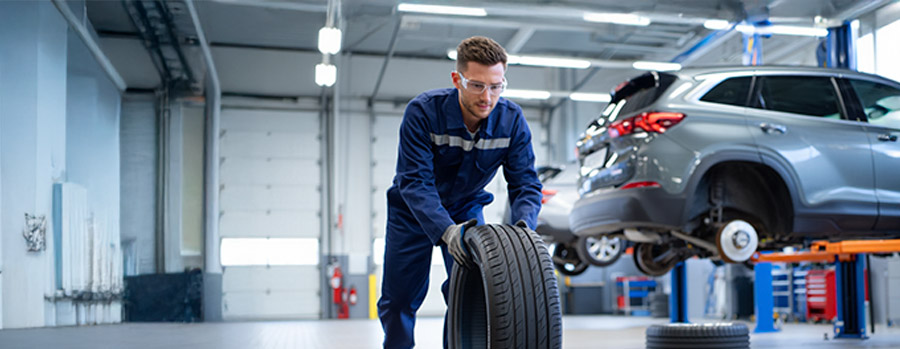
At Rick Weaver Chevrolet, it’s common for
drivers to come in expecting a quick pressure check, only to discover balancing
issues, alignment problems, or tread wear that’s been building over time.
In this guide, we’ll break down the
common signs your tires need attention, why those warning signs matter, how
pressure monitoring systems work, and when it’s time to schedule professional
service before a small issue becomes a much bigger headache.
Your Tires Usually Warn You First
The challenge is that most problems don’t
look serious in the beginning, which is exactly why they’re easy to ignore.
They usually start small, a slight vibration, uneven tread wear, or a tire
pressure warning that keeps appearing on cold mornings.
Because these changes happen gradually,
many drivers ignore them until the ride quality, handling, or traction starts
getting worse.
That’s why regular Chevrolet maintenance matters. Catching small
issues early can help prevent premature wear and more expensive repairs later
on. And in most cases, your vehicle gives a few clear warning signs before
problems start affecting the way it drives.
5 Signs Your Chevrolet Tires Need Attention
Tires rarely fail without warning. Most
problems start small, like with a slight vibration, a dashboard light, a little
extra road noise, and gradually get worse over time. The tricky part is that
many drivers get used to these changes without realizing their tires are
wearing unevenly or losing performance.
Here are five common signs that service
may already be overdue.
1. Your Steering Wheel Starts Vibrating
If your steering wheel suddenly feels
more "interactive” at highway speeds, your tires may be out of balance.
Vibrations are commonly caused by:
●
Tire imbalance
●
Uneven tread wear
●
Alignment problems
●
Damaged tires
You’ll usually notice it more during
longer drives. At first, it may feel minor. But over time, vibrations can wear
tires down faster and make the ride noticeably rougher. But not every warning
sign comes through the steering wheel. Sometimes, your dashboard notices the
problem first.
2. The Tire Pressure Light Keeps Coming Back
A tire pressure warning once in winter?
Normal. A warning every other week? Probably not. Cold Pennsylvania mornings
can naturally lower pressure, but if the alert keeps returning after adding
air, there may be a slow leak or an issue with the pressure monitor system on
your ride.
Ignoring it can lead to:
●
Uneven wear
●
Poor traction
●
Reduced fuel efficiency
●
Longer braking distances
Underinflated tires also create more
rolling resistance, which causes wear to occur faster over time. Also, the
correct tire pressure for a Chevrolet depends on the model, not random PSI
numbers online. The correct specification is usually listed on the driver-side
doorjamb. And while dashboard warnings are easier to spot, some problems show
up more through the way the vehicle handles on the road.
3. Your Vehicle Pulls to One Side
If your Chevrolet drifts slightly left or
right while driving straight, your alignment or tire pressure may be off.
Common causes include:
●
Uneven pressure
●
Alignment issues
●
Uneven tread wear
●
Suspension problems
Around Edinboro, potholes and rough
winter roads don’t exactly do tires any favors. Even one hard hit can slowly
throw alignment off without creating an immediate problem. The pull may seem
small at first, but ignoring it can wear tires down faster and affect overall
handling.
Sometimes, though, the warning signs are
easier to see than feel.
4. The Tire Tread Looks Uneven
Take a quick look at your tires. If one
side looks more worn than the other, something’s off.
Uneven tread wear may look like:
●
Inner edge wear
●
Outer edge wear
●
Patchy tread patterns
●
One tire wearing faster than the
rest
This usually points to missed rotations,
improper inflation, or alignment problems. Most Chevrolet tires should be
rotated roughly every 7,500 miles to help wear stay even across all four tires.
Depending on driving habits and road conditions, many last between 40,000 to
60,000 miles under normal conditions. Skip rotations too long, and that
lifespan can shorten quickly.
Over time, uneven or worn tires don’t
just affect handling. They also change how the car feels and sounds on the
road.
5. Your Ride Sounds Louder Than Usual
Tires get louder gradually, which is why
many drivers don’t notice until the cabin suddenly feels less quiet than it
used to.
Extra road noise can happen because of:
●
Worn tread
●
Uneven wear
●
Tire age
●
Balancing problems
If familiar roads suddenly sound rougher
than usual, your tires may be losing their ability to absorb road impact
properly.
Most of the time, tires don’t ask for
attention dramatically. They leave clues little by little. Once those warning
signs start showing up, a proper inspection can usually reveal what’s causing
the problem underneath.
What’s Actually Included in Chevrolet Tire Service?
A proper service involves more than
replacing worn tires or adding air. It checks how they are wearing, how they’re
affecting handling, and whether small issues are starting to develop underneath
the vehicle.
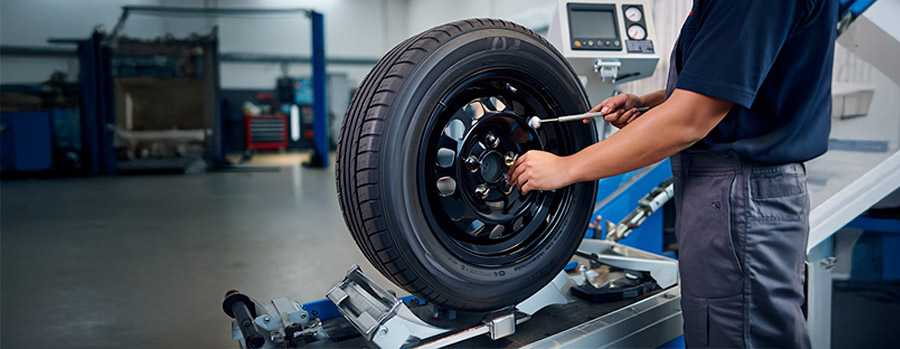
A typical tire service may include:
●
Tire pressure inspection and
adjustment
●
Tire rotation
●
Wheel balancing
●
Alignment inspection
●
Tread depth and wear checks
●
TPMS (Tire Pressure Monitoring
System) diagnostics
●
Tire inspections for cuts, cracks,
or sidewall damage
These checks help identify problems early
before they start affecting traction, braking, fuel efficiency, or ride
comfort.
For example, installing new tires without
correcting an alignment issue can cause wear all over again. Similarly, a
faulty TPMS sensor may leave you driving with improper tire pressure without
realizing it. That’s why many drivers searching for "Chevrolet repair shops
near me” are looking for more than a quick fix. They want to know the vehicle
is being inspected properly, especially before long highway drives, seasonal
weather changes, or everyday commuting starts putting extra stress on the
tires.
At Rick Weaver Chevrolet, tire service is
designed specifically for Chevrolet vehicles, with inspections, balancing,
pressure checks, and recommendations based on your vehicle’s specifications and
driving conditions.
A Quick Tire Check Today Can Prevent Bigger Problems Later
Most issues don’t start with a flat or
sudden breakdown. They build slowly through premature wear, changing
temperatures, rough roads, and everyday driving around Edinboro and beyond. A
small vibration, uneven tread, or a tire pressure warning may not seem urgent
at first, but catching those signs early can help prevent faster tire wear,
poor handling, and more expensive repairs later on.
Staying on top of routine Chevrolet tire
service helps keep your vehicle safer, smoother, and more comfortable to drive
in every season, whether you’re commuting daily or navigating Pennsylvania back
roads. If your tires haven’t been inspected recently, or if something already
feels slightly off behind the wheel, it may be time for a professional check.
Stop by Rick Weaver Chevrolet for tire inspections, rotations, balancing, alignments, and service designed to keep you driving with confidence.