
Your Edinboro Guide to Chevrolet Oil Change and Maintenance
Ever feel like car maintenance only becomes "urgent” at the worst possible time?
Oil change is one of the easiest
services, yet it gets overlooked by people. For many drivers around Edinboro,
whether you're heading past Edinboro Lake, commuting through Route 6N, or just
doing short grocery runs, your car quietly handles it all. No drama. No
complaints. Until one day, it does. That’s usually when service catches up.
For Chevrolet owners, reliability is part
of the appeal. You buy one because it’s practical, dependable, and built to
handle everyday driving without fuss. But even the most reliable engine still
depends on something simple working perfectly in the background… clean engine
oil.
And that’s where a lot of people slip.
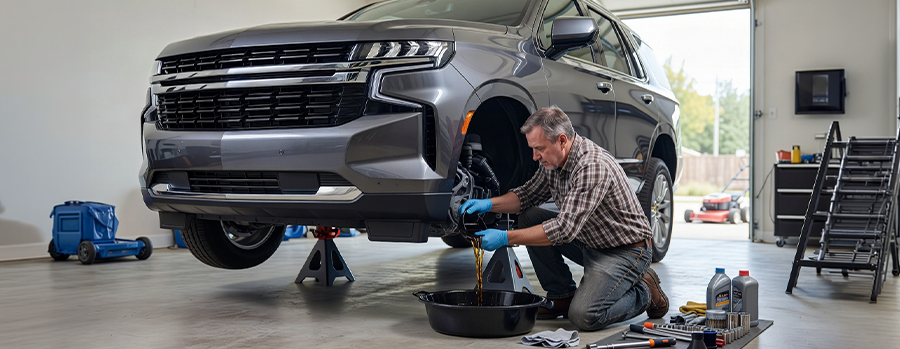
Chevrolet is dependable, practical, and
built for everyday driving. Whether that’s short grocery runs, college commutes
around Edinboro, or dealing with cold Pennsylvania mornings. It doesn’t demand
attention. It just works. Until the routine check gets delayed. That’s where
having a reliable service point like Rick Weaver Chevrolet makes a difference.
Not because something is wrong, but because catching things early keeps it that
way.
In this guide, we’re breaking down
everything you actually need to know about oil changes and what proper Chevrolet maintenance really looks like when
done right.
Why a Chevrolet Oil Change Is Not Just Routine Maintenance
Oil is easy to ignore because you don’t
see it working.
But inside your engine, it’s doing
everything:
●
Reducing friction between moving
parts
●
Preventing overheating
●
Carrying away dirt and
contaminants
Over time, even high-quality oil breaks
down. It loses its ability to protect the engine the way it should. And the
important part is, engine damage from old oil doesn’t happen suddenly.
It builds up slowly. That’s why staying ahead of a Chevrolet oil change is less
about routine and more about protecting long-term performance.
How Often Should You Get a Chevrolet Oil Change in Edinboro
Modern Chevrolet vehicles are designed
for longer intervals, but there’s a general range. Several things affect the
interval.
General guideline:
●
7,500 to 10,000 miles for most
newer models using full synthetic oil
●
At least once every 12 months,
even with low mileage
Older models may still require:
●
Around 3,000 to 5,000 miles,
depending on engine type and oil used
Most vehicles now include an Oil Life
Monitoring System, which tracks usage and driving conditions. When you see a
"Change Engine Oil Soon” message, it’s recommended to service it within about
600 miles (1,000 km).
How Much Does a Chevrolet Oil Change Cost?
For most drivers, the cost of a Chevrolet
oil change is fairly predictable if you’re using full synthetic oil (which most
modern vehicles require). However, this is just an estimated cost and can vary
according to your ride’s requirements.
|
Service
Type
|
Estimated
Cost
|
|
Standard full synthetic oil change
|
$70 – $90
|
|
Larger engines or added services
|
$90 – $120+
|
Most dealerships typically fall within
this range, depending on your vehicle and what’s included in the service. Don’t
forget to go through service specials to check for Chevrolet
oil change coupons before booking an appointment.
Note: Prices can vary based on your
specific model, engine size, oil requirements, and any ongoing offers. So
before booking, it’s always smart to call and confirm the exact cost with our
customer support.
Signs Your Chevrolet Might Be Due for an Oil Change
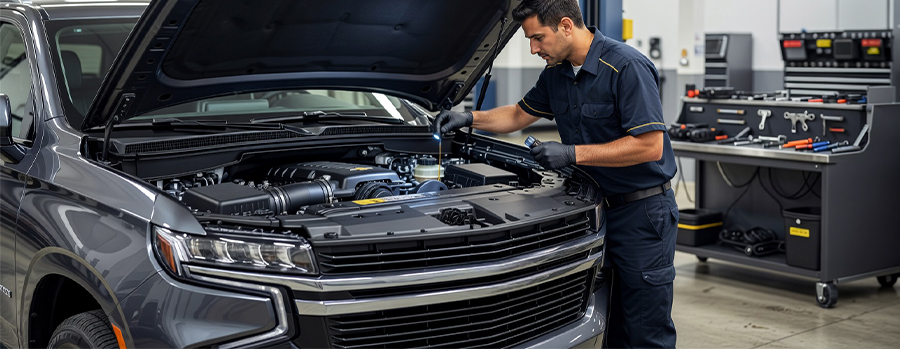
Your car rarely makes a big announcement.
It usually hints first. Catching these early signs can save you from bigger
issues down the road.
●
Louder engine noise: When oil loses its viscosity, engine parts create more friction,
making the engine sound slightly louder than usual.
●
Dark or dirty oil: Clean oil is amber in color; if it looks dark, thick, or gritty, it’s
no longer protecting your engine effectively.
●
Reduced fuel efficiency: Old oil forces the engine to work harder, which can quietly lower your
mileage.
●
Dashboard oil warning light: This is your car’s direct signal that oil levels or pressure need
attention. Don’t ignore it.
●
Rough or less smooth
performance: If your drive feels slightly off or less
responsive, degraded oil could be part of the reason.
One sign on its own might not mean much.
But when a few start showing up together, it’s usually your cue to get it
checked. If you catch any of these signs, don’t delay the oil change.
Now, let’s see how you can do it
yourself.
How to Change Oil (If You Plan to Do It Yourself)
Changing your own oil is doable if you’re
careful and have the right setup. It’s less about difficulty and more about
doing each step correctly. Because small mistakes here can affect your engine.
Step 1: Gather the Right Supplies
You’ll need the correct oil type
(typically dexos1 Full Synthetic 5W-30 for most gasoline engines), a new oil
filter, a wrench, a drain pan, a funnel, and gloves. Always check your owner’s
manual for the exact oil grade and quantity.
Step 2: Warm the Engine Slightly
Run the engine for a few minutes so the
oil flows more easily, but don’t let it get too hot. Warm oil drains better,
but working on a hot engine can be unsafe.
Step 3: Drain the Old Oil
Position the drain pan underneath, remove
the drain plug, and let the oil fully drain out. Make sure the vehicle is on a
level surface to avoid incomplete draining.
Step 4: Replace the Oil Filter
Unscrew the old filter and install the
new one after lightly coating its gasket with fresh oil. This helps create a
proper seal and prevents leaks.
Step 5: Refill with New Oil
Use a funnel to pour in the recommended
amount of oil. Avoid overfilling as too much oil can be just as harmful as too
little.
Step 6: Check Levels and Reset System
Use the dipstick to confirm the oil level
is correct. If your vehicle has an Oil Life Monitoring System, reset it so it
can track your next service accurately.
Step 7: Dispose of Old Oil Properly
Used oil must be taken to a recycling or
disposal facility. Never dump it, as it’s harmful to the environment and often
illegal. Doing it yourself can save a bit of money, but it requires attention
to detail. If you’re unsure about the correct oil type, don’t have the tools,
or notice leaks, unusual noises, or warning lights after the change, it’s best
to let a professional handle it.
What You Actually Get with a Chevrolet Oil Change and Where
It’s Done Right
An oil change isn’t just about swapping
old oil for new. It’s about using the right materials, following the right
process, and having the right people handle it.
●
Complete oil service: Old oil is drained, replaced with manufacturer-recommended oil, and a
new filter is installed to keep the engine clean.
●
Correct oil type: Most gasoline engines use full synthetic, while diesel variants
require specific standards.
●
Basic inspection included: Key components are checked during the service, helping catch small
issues early.
●
Dealership-level accuracy: A Chevrolet dealership oil change ensures approved oil, proper tools,
and technicians trained specifically for these engines.
●
Better long-term tracking: Service history, system checks, and consistent care add up over time.
●
Cost can be manageable: A Chevrolet oil change coupon can make dealership service more
accessible than expected.
That’s where Rick Weaver Chevrolet comes
in. It’s about getting it done right, with the right specifications and
attention your vehicle actually needs.
Final Thoughts
Oil changes are simple. But ignoring
them? That’s where things get expensive.
Around Edinboro, where most drives are
quick, the weather doesn’t always cooperate, and cold starts are part of the
routine, your engine goes through more than you think. And that’s exactly why
staying on top of maintenance matters, as it keeps things predictable.
A timely Chevrolet oil change isn’t just
another task to tick off. It’s what keeps your engine running smoothly, your
drives feeling the way they should, and your costs from creeping up later.
Because most engine problems build quietly when the basics get delayed. So if
you’ve been putting it off, or even wondering if you’re close to due, this is
usually your sign to just get it done and not think about it again for a while.
Swing by Rick Weaver Chevrolet and have it taken care of properly.